

Experience Design with 360 VR Architectural Presentation

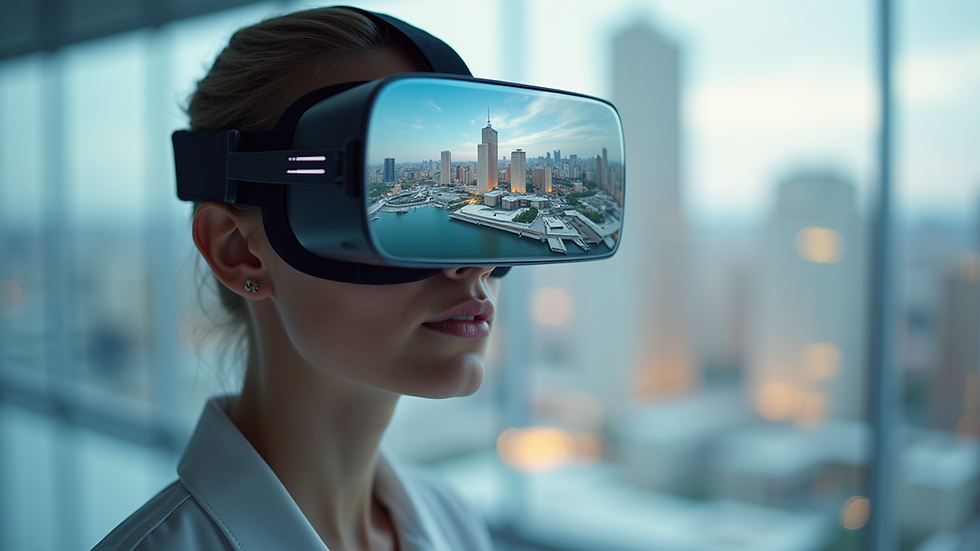
Imagine stepping inside your future home or office before a single brick is laid. Sounds like magic, right? Well, with 360 VR architectural presentations, that magic is now a reality! This technology is transforming how we design, visualize, and experience spaces. It’s immersive, interactive, and incredibly fun. Let’s dive into how 360 VR is changing the game for property developers, homeowners, and businesses alike.
Why 360 VR Architectural Presentation is a Game-Changer
Traditional blueprints and 3D models are great, but they don’t quite capture the feel of a space. That’s where 360 VR presentations shine. They let you walk through a design, look around in every direction, and get a real sense of scale and atmosphere. It’s like teleporting into your future property!
Here’s why this matters:
Better decision-making: Spot design flaws early and tweak them before construction starts.
Clear communication: Everyone involved, from clients to contractors, gets the same clear vision.
Faster approvals: Stakeholders can see exactly what they’re getting, speeding up sign-offs.
Stronger emotional connection: Experiencing a space virtually builds excitement and confidence.
For property developers, this means fewer costly changes down the line. Homeowners get peace of mind knowing their dream home is exactly what they imagined. Businesses can showcase their future offices or retail spaces in a way that static images just can’t match.

How 360 VR Architectural Presentation Works
Let’s break down the process. It’s simpler than you might think!
Design creation: Architects and designers build a detailed 3D model of the property using CAD or BIM software.
360-degree capture: The model is rendered into a 360-degree environment, allowing full panoramic views.
VR integration: The 360 environment is uploaded to a VR platform compatible with headsets or even smartphones.
User experience: Viewers put on a VR headset or use a web-based viewer to explore the space interactively.
The beauty of this approach is its flexibility. You can explore a cozy apartment, a sprawling commercial complex, or even an outdoor landscape. Plus, you can add interactive elements like clickable info points, material swaps, or lighting changes to test different design options.
This tech isn’t just for big projects either. Even small renovations or interior design tweaks benefit from the immersive preview.
Bringing Designs to Life: Practical Tips for Using 360 VR
Ready to jump in? Here are some practical tips to get the most out of your 360 VR architectural presentation:
Focus on key areas: Highlight important rooms or features that clients care about most.
Use natural lighting: Simulate daylight and night scenes to show how spaces change.
Add soundscapes: Ambient sounds can enhance immersion and mood.
Keep navigation intuitive: Make sure users can easily move around and interact without frustration.
Update regularly: As designs evolve, refresh the VR presentation to keep everyone on the same page.
For example, a property developer might create a VR tour of a new housing estate, letting potential buyers explore different home layouts. A business could showcase their future office with branded elements and furniture options. Homeowners can preview kitchen remodels or garden landscaping before committing.
The Impact on Project Efficiency and Client Satisfaction
Using 360 VR presentations isn’t just about wow factor. It delivers real business benefits:
Reduced rework: Catch design issues early, saving time and money.
Improved collaboration: Teams can review and discuss designs remotely in real time.
Enhanced marketing: VR tours attract more interest and help close deals faster.
Greater client confidence: Seeing a space virtually builds trust and reduces anxiety.
At Incredoo Architects, we’ve seen firsthand how integrating 360 VR into our workflow boosts project efficiency. Clients feel more involved and informed, which leads to smoother approvals and happier outcomes. It’s a win-win!
If you’re curious to see how this works for your next project, don’t hesitate to book a 360 vr design presentation. It’s the best way to experience the future of architecture today.
What’s Next for 360 VR in Architecture?
The future looks bright! As VR technology advances, expect even more exciting features:
Augmented reality (AR) integration: Blend virtual designs with real-world views on-site.
AI-driven customization: Automatically generate design variations based on user preferences.
Multi-user experiences: Collaborate in VR with clients and teams from anywhere.
Higher fidelity visuals: Ultra-realistic textures and lighting for true-to-life previews.
These innovations will make experience design even more powerful and accessible. Whether you’re planning a cozy home or a large commercial development, 360 VR presentations will be your secret weapon for success.
So, why wait? Dive into the world of immersive design and see your vision come alive like never before!
Ready to transform your design process? Let’s explore the possibilities together with 360 VR architectural presentations. Your future space is just a virtual step away!


Comments